
The educational technology landscape is experiencing an unprecedented transformation. With the global EdTech market projected to reach $598.82 billion by 2032, growing at an annual rate of over 17%, content creators and educational institutions must adapt their strategies to meet evolving learner expectations. The shift from passive content consumption to active, engaging learning experiences is no longer optional—it's essential for survival in this competitive market.
This comprehensive guide explores the most effective content strategies that are reshaping EdTech in 2025, providing actionable insights for educators, instructional designers, and content creators looking to create impactful learning experiences.
1. Microlearning and Nanolearning: The New Content Standard
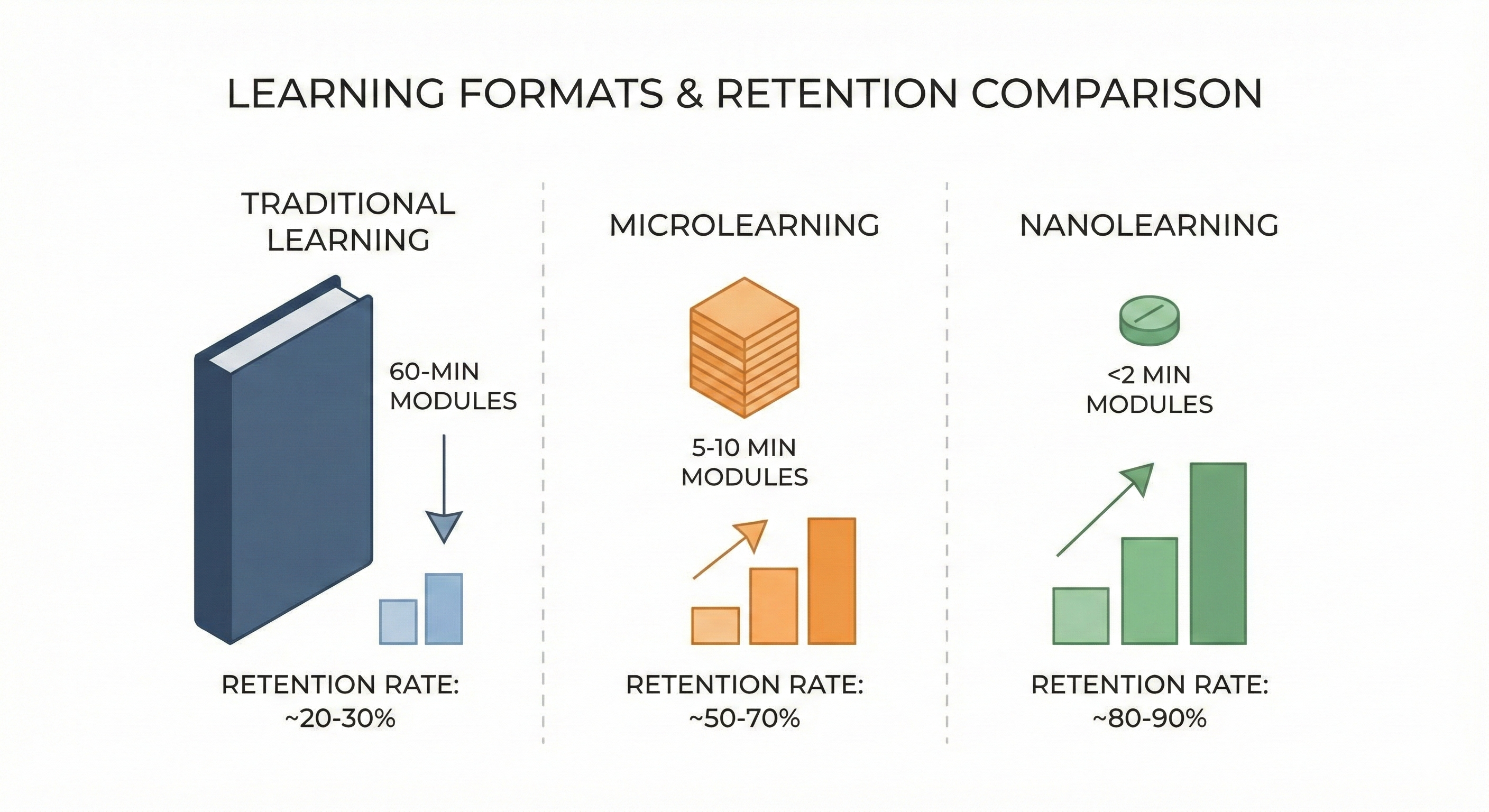
Modern learners demand flexibility, speed, and engagement. Microlearning—delivering content in short, focused bursts of 5-10 minutes—has emerged as the gold standard for effective education. Research indicates that microlearning boosts retention by 20% compared to longer formats, aligning perfectly with findings that attention drops significantly after 10-15 minutes.
Nanolearning: Taking It Further
Nanolearning pushes boundaries even further, offering bite-sized content in under 2 minutes through infographics, flashcards, or short videos. This approach is perfect for:
- Mobile learning and on-the-go education
- Just-in-time training in corporate environments
- Reinforcing concepts in online courses
- Supporting learners with shorter attention spans
2. Adaptive and Personalized Content Strategies
AI-powered personalization has reached a critical inflection point in 2025. Educational platforms can now analyze learners' strengths, weaknesses, and preferred learning styles with unprecedented accuracy. This enables the creation of adaptive learning environments that dynamically adjust to individual needs.
Key Elements of Adaptive Content
- Dynamic Difficulty Adjustment: Content that automatically scales complexity based on learner performance
- Personalized Learning Paths: AI-generated curricula tailored to individual goals and knowledge gaps
- Real-Time Feedback: Immediate, personalized responses to help learners understand their progress
- Predictive Analytics: Identifying struggling learners before they fall behind
Platforms like Squirrel AI and Microsoft's Reading Coach exemplify this approach, demonstrating how technology can analyze user behavior and learning preferences to create truly individualized experiences.
3. Gamification and Interactive Content Design
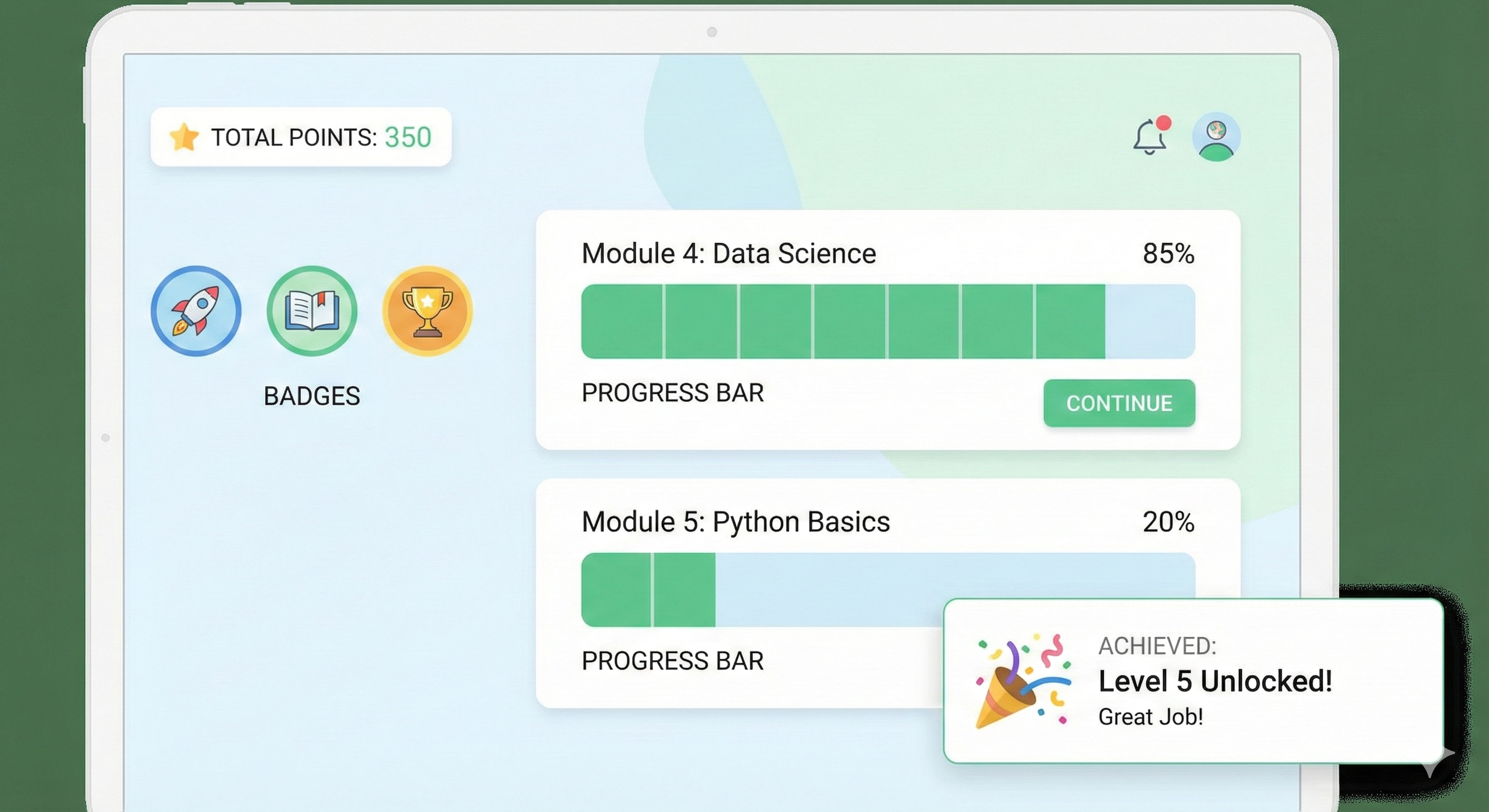
Gamification remains one of the most effective strategies for increasing learner engagement. By applying game mechanics like points, badges, leaderboards, and achievement systems to educational content, creators can tap into learners' natural motivation to compete, achieve, and be rewarded.
Effective Gamification Elements
Element | Application in EdTech |
Points & Rewards | Track progress and motivate completion of learning modules |
Leaderboards | Foster healthy competition and peer motivation |
Digital Badges | Recognize achievements and build shareable credentials |
Story-Based Learning | Create immersive narratives that contextualize learning |
Interactive Challenges | Apply knowledge through scenario-based problem-solving |
4. Neurodiverse-Friendly Content Design
Creating inclusive content that accommodates neurodiverse learners—including those with ADHD, dyslexia, and autism—is becoming crucial for EdTech companies. This approach ensures accessibility while improving learning outcomes for all students.
Best Practices for Neurodiverse Design
- Clear, Distraction-Free Layouts: Remove visual clutter and provide clean navigation
- Customizable Display Options: Allow users to adjust fonts, colors, and spacing
- Multiple Content Formats: Offer video, audio, text, and interactive options for the same material
- Flexible Pacing: Enable learners to control speed and take breaks as needed
- Consistent Navigation: Maintain predictable interfaces to reduce cognitive load
5. Social-Emotional Learning (SEL) Integration
The connection between SEL and academic performance has become increasingly clear, prompting educators to integrate emotional intelligence development into content strategies. Students who participate in SEL programs demonstrate improvements not only in their grades but also in overall well-being.
Content Strategies for SEL
- Empathy-Driven Activities: Interactive exercises that build emotional awareness
- Scenario-Based Simulations: Safe environments to practice social skills
- Reflection Prompts: Guided journaling and self-assessment tools
- Collaborative Learning: Group activities that foster interpersonal skill development
6. Immersive Content: VR, AR, and Interactive Experiences
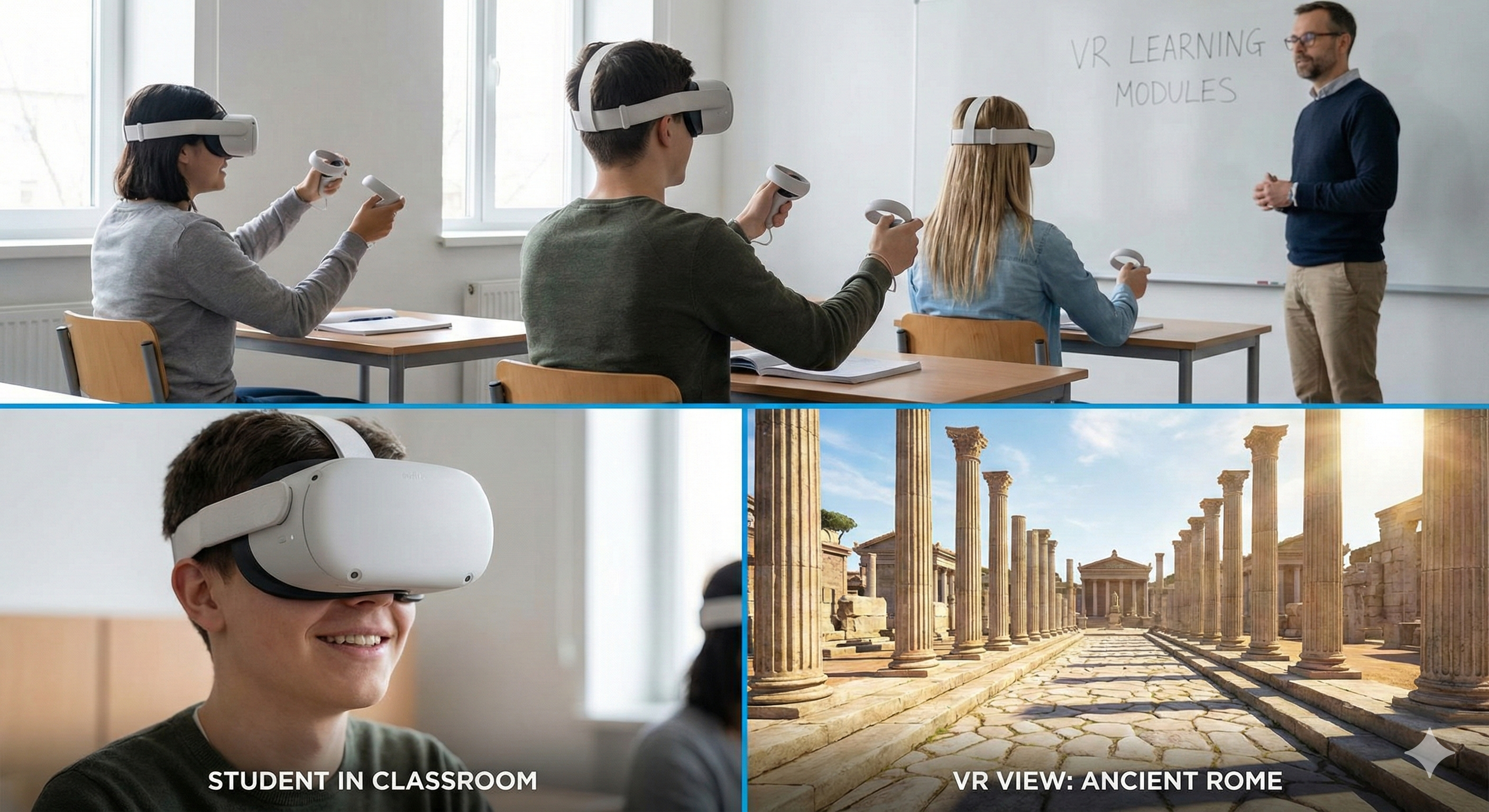
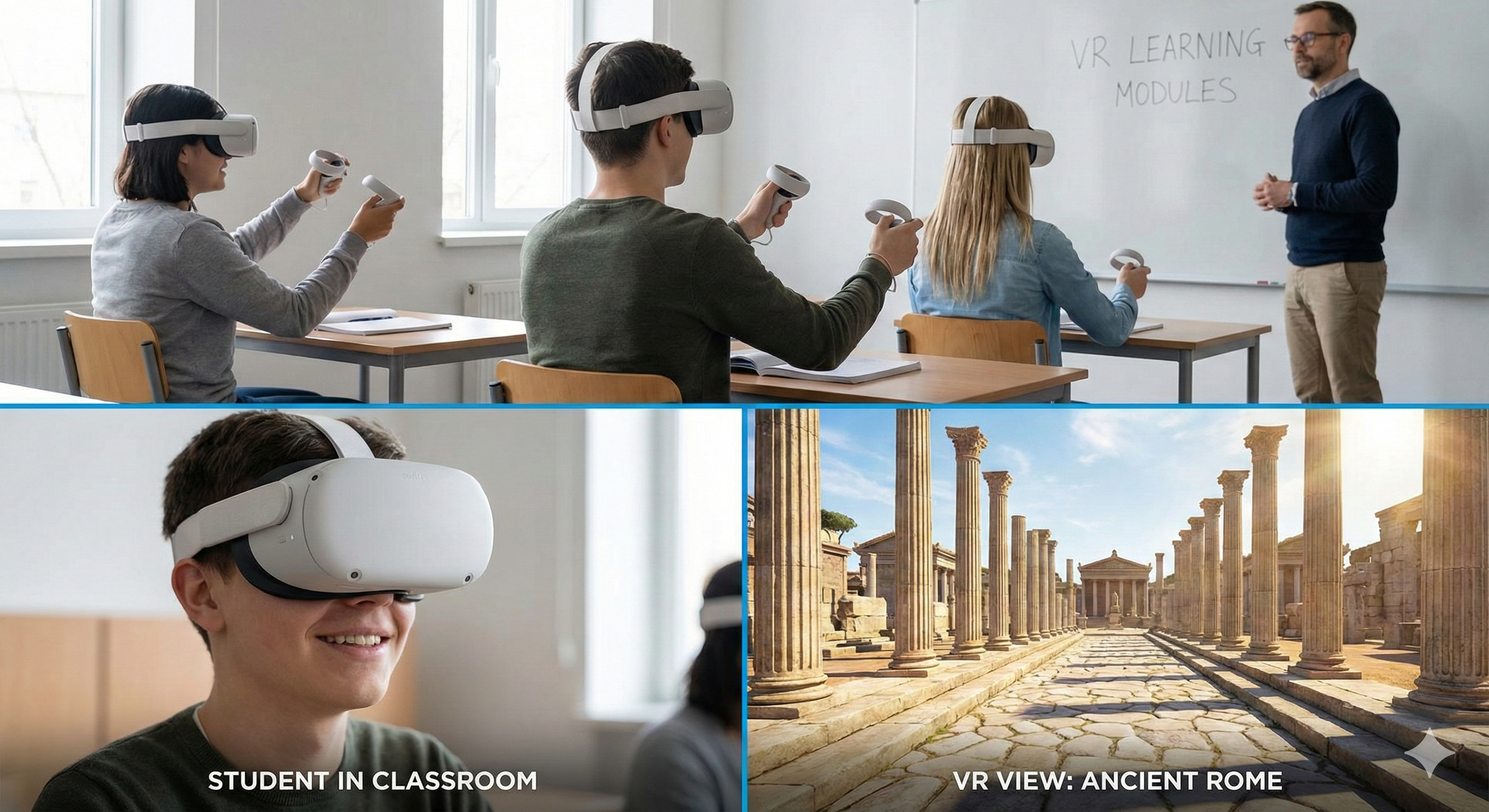
Virtual Reality (VR) and Augmented Reality (AR) are no longer futuristic concepts—they're becoming mainstream tools for education. As equipment costs decrease, these technologies are expected to transform how students interact with content, from virtual historical tours to complex scientific simulations.
Applications of Immersive Technology
- Virtual Field Trips: Explore historical landmarks, museums, and natural environments
- Science Lab Simulations: Conduct experiments without geographical or safety constraints
- Medical Training: Practice procedures in realistic virtual environments
- Soft Skills Development: Simulate professional scenarios like negotiations or presentations
7. Data-Driven Content Optimization
Learning analytics has become essential for content strategists. By harnessing AI to analyze student data—engagement patterns, performance metrics, and behavioral patterns—content creators can make informed decisions to continuously improve educational materials.
Key Metrics to Track
- Completion Rates: Identify where learners drop off
- Engagement Time: Measure time spent on different content types
- Assessment Performance: Track knowledge retention and skill development
- Interaction Patterns: Understand how learners navigate and use content
- Feedback Scores: Collect and analyze learner satisfaction data
Conclusion: Building Future-Ready Content
The EdTech content landscape in 2025 demands a strategic approach that balances technological innovation with sound pedagogical principles. Success lies in creating content that is not only engaging and accessible but also genuinely effective in achieving learning outcomes.
By embracing microlearning, adaptive personalization, gamification, inclusive design, SEL integration, immersive technologies, and data-driven optimization, content creators can position themselves at the forefront of educational innovation. The key is to implement these strategies thoughtfully—using technology to enhance rather than replace the human elements that make education meaningful.
Key Takeaways:
|